
Pawning vs Selling:
15 Powerful Comparisons You Must Know Before to Make a Winning Choice
If you own fine jewelry, diamonds, or luxury watches and are considering turning them into cash, you’re likely weighing two popular options: pawning vs selling. Both can unlock the value of your items quickly—but understanding how they differ is crucial for maximizing your return.
As a luxury pawn shop specializing in fine jewelry, diamonds, and watches, we guide clients every day through these decisions with transparency and expertise.
In this comprehensive guide, we break down the 15 essential differences so you can make a confident, informed choice.
Understanding the Basics: Pawning vs Selling Jewelry
What is Pawning?
Pawning is a collateral-based loan. You bring us a valuable item, such as a diamond ring, designer watch, or gold jewelry, and we offer a short-term loan based on its value.
Your jewelry stays with us as collateral. Once you repay the loan (plus interest and minimal fees) within the agreed time frame, your item is returned to you.
What is Selling?
Selling is straightforward and final.
You sell your jewelry, diamonds, or watches directly to us for cash.
Ownership transfers to our shop, and there’s no obligation to repay anything or retrieve the item.
How Each Transaction Works
The Pawning Process
Bring in your fine jewelry, diamond, or watch.
Our expert gemologists and appraisers evaluate the item’s quality and value.
We offer you a loan amount, always with a clear explanation of how we arrived at the figure.
You receive cash on the spot and a detailed pawn ticket (your loan agreement).
You have up to 6 months to repay the loan and interest, which is capped at 3% per month with us. (This may differ when dealing with another pawn shop)
Once repaid, you reclaim your item. If not repaid, you run the risk of forfeiting the item.

The Selling Process
Bring in your jewelry, diamonds, or luxury watch.
We provide a free, no-obligation appraisal and cash offer.
You accept the offer and hand over the item.
You receive immediate payment—and the transaction is complete.
For more information on the process we follow (in-store or online) for either pawning or selling, please click here.
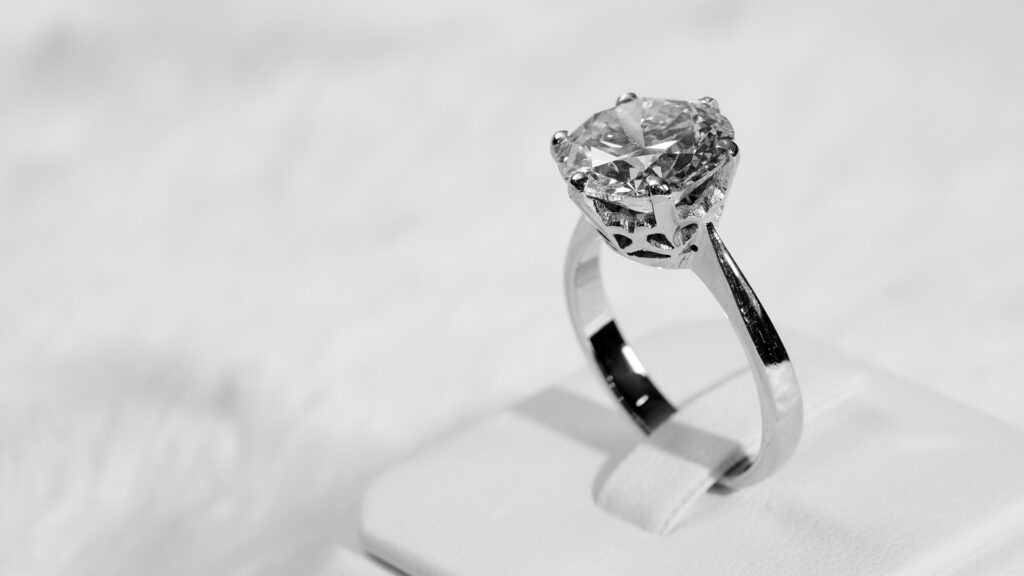
Pawning vs Selling : The 15 Key Comparisons
Based on the differences and similarities we can review when comparing selling vs pawning, we can deduce the advantages and disadvantages of each option:
Pros and Cons of Pawning Fine Jewelry
Advantages
Retrieve your cherished jewelry after repayment.
No credit checks or reporting—discreet and private.
Quick access to cash for short-term needs.
Disadvantages
The loan amount is less than the outright sale value.
Interest applies. Some stores may even charge storage fees, and interest rates differ. Be smart about interest rates, and do your homework before securing a deal.
Risk of forfeiture if not repaid.
When Should You Pawn?
Consider pawning when you:
Need short-term cash but want to keep sentimental items like heirloom jewelry or a family Rolex.
Expect funds soon (e.g., tax refund or upcoming paycheck).
Prefer a confidential transaction without credit inquiries.
Example: You need $3,000 to cover unexpected home repairs and don’t want to sell your diamond engagement ring permanently—you pawn it, get the cash, and redeem it within two months.
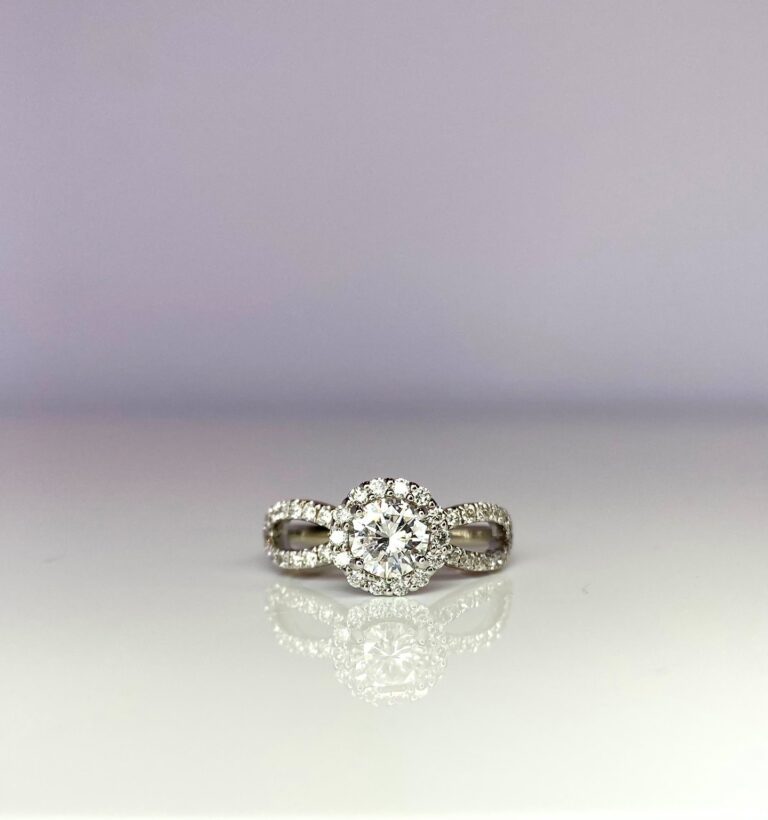
Pros and Cons of Selling Fine Jewelry
Advantages
Highest immediate cash payout.
No repayment or future obligation.
Simple, final transaction—ideal if ready to part ways with your item.
Disadvantages
Permanently relinquish ownership.
Sentimental pieces are harder to part with.
Urgent sales can result in undervaluation if not informed. This is why dealing with an ethical luxury pawn shop is essential.
When Should You Sell?
Selling makes sense when you:
Have no intention of using the item again.
Want maximum cash immediately, with no strings attached.
Are decluttering, upgrading, or liquidating estate jewelry.
Example: You inherited a gold bracelet you rarely wear and would prefer cash toward a vacation. Selling gives you full value upfront.
Frequently Asked Questions for Pawning vs Selling
Yes. You can redeem your pawned item and choose to sell it later.
No. Our pawn loans are private and never reported to credit bureaus.
We keep and sell the item—there’s no debt collection or credit impact.
Our GIA-trained gemologists and certified watchmakers assess resale value, demand, and condition.
Selling generally yields higher cash upfront; pawning offers less but lets you reclaim your item.
Schedule a Free Consultation
Whether you want to bring items for valuation, or you are looking for an offer to loan on or sell your jewelry, we look forward to meeting you.
Regulatory Compliance and Oversight
At Broff’s Diamond & Loan, we fully comply with all regulations set by the Pennsylvania Department of Banking and Securities.
We also adhere to the federal Truth in Lending Act (TILA), ensuring every loan’s terms, interest rates, and fees are disclosed for your protection.
Our operations are regularly reviewed to maintain the high standards of:
The National Pawnbrokers Association (NPA) – promoting best practices and ethical conduct in the pawnbroking industry.
The Pennsylvania Department of Banking and Securities:- overseeing lending practices to safeguard consumers.